
Memory Care
8 Compassionate Communication Strategies for Seniors with Alzheimer’s & Dementia
TomLee Memory Care Advisory•2026-02-08•6 min read
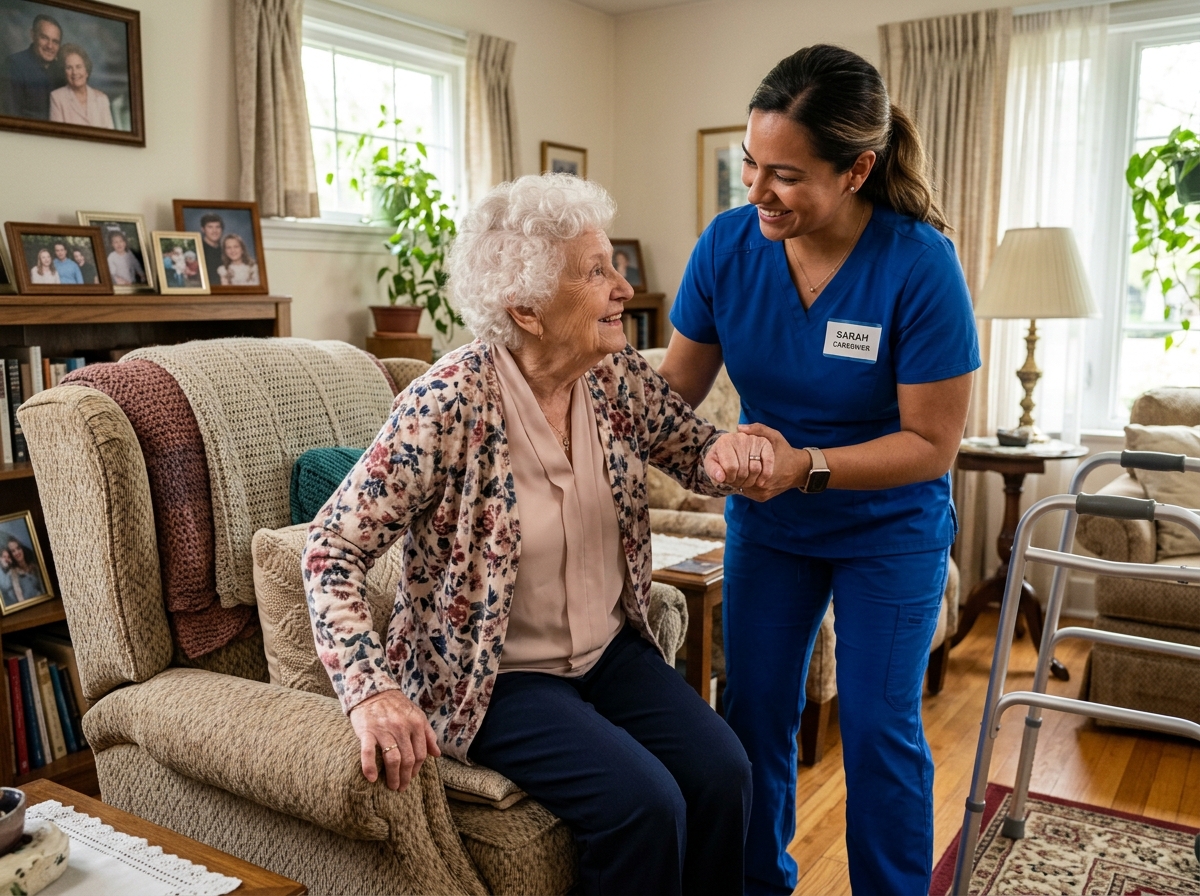
Executive Overview
Connecting with a loved one experiencing cognitive decline requires patience and empathy. Learn practical verbal and non-verbal techniques to reduce agitation and foster comfort.
### Meeting Your Loved One in Their Reality
Alzheimer's and related dementias alter how individuals process spoken words, facial expressions, and auditory stimuli. Frustration and behavioral expressions often occur when a senior feels unheard, overwhelmed, or disoriented.
### 8 Practical Guidelines for Families & Caregivers:
1. **Maintain Eye Contact & Gentle Posture**: Always approach from the front at eye level. Avoid sudden movements or approaching from behind.
2. **Speak in Short, Clear Sentences**: Ask one simple question at a time rather than multi-part instructions.
3. **Avoid Arguing or Correcting**: If your parent believes they need to go to work or asks about a deceased relative, validate their feelings rather than sharply correcting facts.
4. **Use Visual Cues & Demonstrations**: Point to objects, demonstrate brushing hair, or hold out a coat to help bridge comprehension.
5. **Give Extra Time to Respond**: Allow 15–20 seconds for the brain to process words before repeating or rephrasing.
6. **Emphasize Tone Over Words**: Seniors with dementia are remarkably attuned to emotional tone. A warm, unhurried, reassuring voice diffuses anxiety.
7. **Redirect Gently with Enjoyable Activities**: When agitation surfaces, redirect attention toward familiar calming habits (listening to classical music, looking through photo albums, folding towels).
8. **Offer Simple Choices**: Replace "What do you want for lunch?" with "Would you like vegetable soup or a turkey sandwich?"
Our memory care trained caregivers implement these person-centered validation techniques on every shift.
TL
Published by TomLee Memory Care Advisory
TomLee Homecare provides licensed non-medical companion and personal care across Greater Atlanta and surrounding Georgia communities.
Georgia Home Care Guidance
Have Specific Questions About Your Loved One?
Our care coordination team offers complimentary consultations to review custom schedules and care plans.